216-292-2950 [email protected]

Your Legacy, Your Plan: A Plain-English Guide to Protecting Your Family and Your Wishes

November 17, 2026

Shaker Investments, LLC  •  Advisor Insights
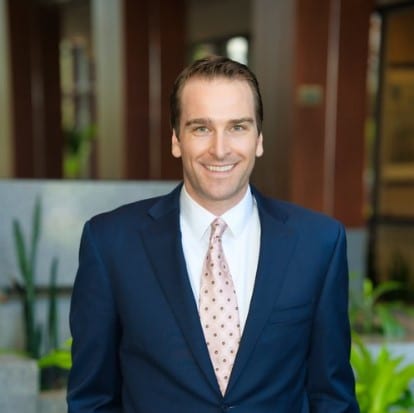
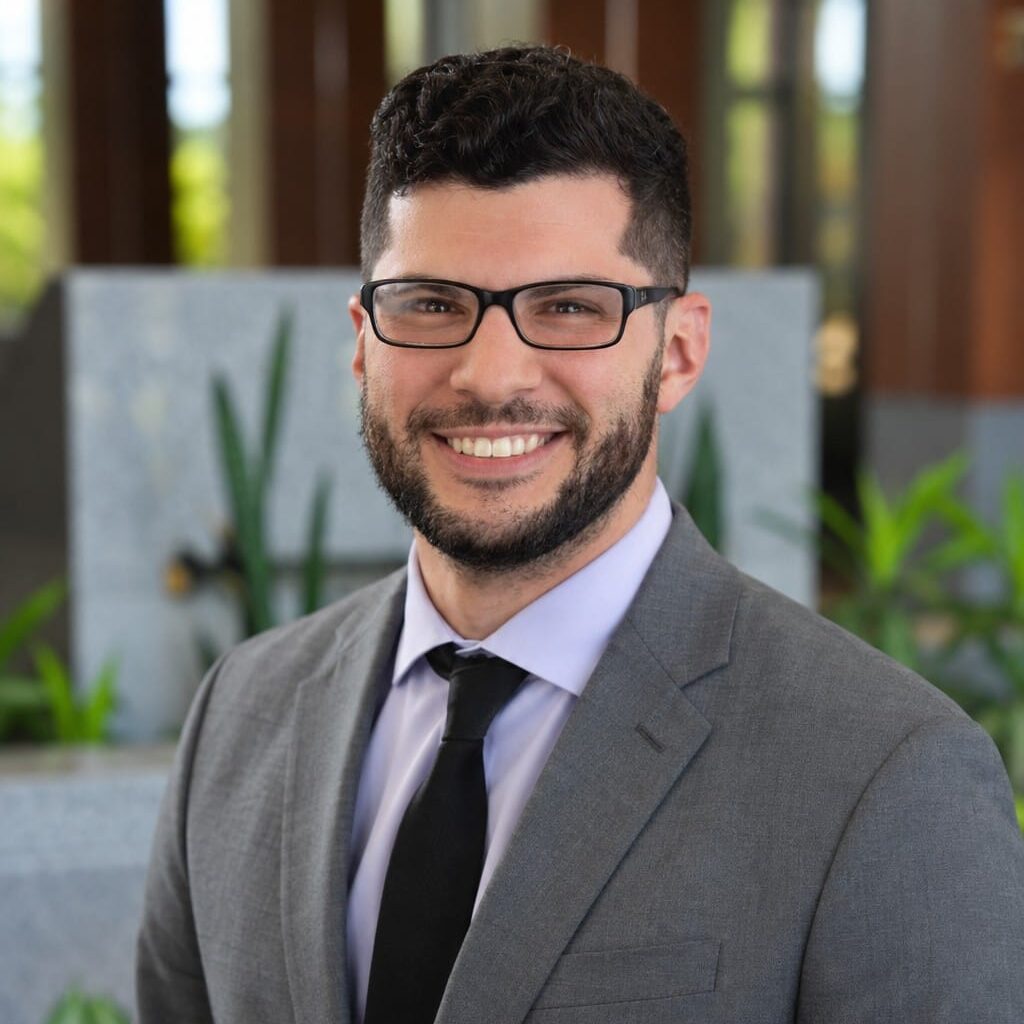
Bryceton Baker, Wealth Advisor at Shaker Investments
Bryceton Baker, Wealth Advisor

Only about one in four U.S. adults has a will. Without one, state law decides who inherits. Just 13% have a living trust, a key tool for avoiding probate and planning for illness. That matters: the typical household 75 and older is worth about $505,000. Federal estate tax reaches only about 1 in 800 estates; the bigger risk is having no plan at all.

24%

of U.S. adults have a will

13%

of U.S. adults have a living trust

$505K

Median net worth of households 75+

~1 in 800

U.S. estates expected to owe federal estate tax in 2026


01What a Trust Is and Why It Helps

How a Trust Works

The trust document is your rulebook: who’s in charge and who benefits.

Grantor

That’s you. You create the trust and move assets into it.

Trustee

Manages the assets by your rules. Usually you, while living.

Beneficiaries

Who benefits: you during your life, your family after.

If you become ill or pass away, your successor trustee generally steps in, avoiding probate.

Why Families Use One

  • Avoids probate. Assets in the trust generally pass to your family without probate, helping maintain privacy and avoid delays.
  • Plans for illness. Your successor trustee can generally step in, potentially avoiding court involvement.
  • Controls the timing. Stage inheritances and help protect them from divorce or creditors.
  • Covers property in other states. Property held in a trust usually can avoid probate in another state.
Common Types of Trusts

Revocable living trust

The most common. You keep control and can change it anytime.

Irrevocable trust

Harder to change, but can reduce estate taxes and shield assets.

Testamentary trust

Created by your will after death. Still goes through probate.

Special needs trust

Can provide for a loved one without affecting government benefits.


02Putting a Trust in Place and Seeing the Bigger Picture

How to Set Up a Living Trust
  1. Set your goals. Decide what assets to include, who should benefit and when, who should be in charge, and the rules of the trust. Your Shaker wealth advisor can help you think it through.
  2. Have an attorney draft it. An estate planning attorney writes the trust document.
  3. Sign it. Typically before a notary.
  4. Fund it. Retitle your home, bank and investment accounts, and business interests. Retirement accounts stay in your name.
  5. Keep it current. Review it every few years and after any major life change.

A Living Trust in Action

Tom and Linda, in their late 60s, set up a revocable living trust, naming themselves trustees and their daughter, Amy, successor trustee. They moved their home, a lake cottage in another state, and their investments into it. When Tom had a stroke, Linda kept managing everything with no court involvement. Later, Amy settled the trust privately, with no probate in either state.

Hypothetical example

Simplify Managing Your Trust With the Help of Your Shaker Investments Advisor and eMoney

We will work with your attorney and CPA, and use eMoney to show how your trust fits with everything you own.

  • All your linked accounts in one place, updated automatically.
  • Estate flowcharts showing who receives each asset.
  • Ownership at a glance: what your trust owns and what it doesn’t.
  • “What if” scenarios to test choices before you make them.
  • Estimated taxes and costs to compare your options.
  • A secure portal and vault for your plan and key documents.

03The Documents That Do Most of the Work

DocumentWhat it does for youIf you don’t have one
WillThe foundation of every planSays who gets what, names who settles your affairs, and names a guardian for young children.State law decides who inherits, and a probate court picks who is in charge.
Trust agreementThe rulebook for your trustSets the rules for your trust: who manages it, who steps in if you can’t, and who benefits and when.Assets in your name alone generally go through probate, which is public and can take months.
Beneficiary formsOften moves the most moneySends IRAs, 401(k)s, and life insurance straight to the people you name, avoiding probate.With no form, the money can land in probate. An outdated one can send it to an ex-spouse.
Financial power of attorneyProtects you while you’re livingLets someone you trust pay bills, manage accounts, and file taxes if you can’t.Your family may have to ask a court to appoint someone just to pay your bills.
Health care directiveSpeaks for you when you can’tNames who makes medical decisions and records the care you do and don’t want.Doctors and family must guess, and loved ones may disagree in a crisis.

For Ohio clients: no estate tax since 2013, and a Transfer on Death Designation Affidavit can pass your home without probate (though unlike a trust, it won’t cover illness).


04Common Slip-Ups and Easy Fixes

The slip-upWhat it can cost your familyThe fix
Not keeping beneficiaries currentAn ex-spouse or late parent is still listed, and the form overrides your willCheck every account after a marriage, divorce, birth, or death
A trust that was never fundedAssets meant for the trust go through probate anywayRetitle accounts into the trust; add transfer-on-death designations
Choosing the wrong trusteeFamily conflict and potential litigationPick someone based on organizational skills, financial literacy, and neutrality

05Where to Start

You don’t need to have it all figured out. The first step is simply a conversation.

1. Start a conversation

Reach out to your Shaker wealth advisor to talk through your goals and what you already have in place.

2. See the full picture

We’ll bring everything together in eMoney and point out any gaps worth addressing.

3. Bring in the right help

Coordinate with an estate planning attorney and your other advisors to put the right documents in place.

Not sure where to begin? Your Shaker wealth advisor is always the first call.

Key Terms in Plain English

Trust. A legal arrangement in which a trustee manages assets for beneficiaries under rules set by the grantor (you). While you’re living, you can fill all three roles.

Trust agreement. The legal document that creates a trust and sets its rules. Also called the trust document or trust instrument.

Revocable living trust. A trust you create during your life and can change or cancel at any time.

Irrevocable trust. A trust that generally can’t be changed once signed. In exchange, assets may be removed from your taxable estate or protected from creditors.

Testamentary trust. A trust written into your will and created only after death, through probate.

Special needs trust. Can provide for a person with a disability without affecting government benefits.

Successor trustee. The person or institution you name to take over managing the trust if you become ill or pass away, generally without going to court.

Funded trust. A trust that actually owns your assets. Signing it isn’t enough; accounts and property must be retitled into the trust’s name.

Probate. The court process for proving a will, paying final bills, and handing out assets. It is public and often takes months.

Power of attorney and health care directive. Documents naming who can handle your finances, and who can make medical decisions, if you can’t.

Beneficiary designation. The form on an IRA, 401(k), annuity, or life insurance policy that says who inherits it. It overrides your will.

Transfer-on-death (TOD) designation. A form naming who inherits an account, a vehicle, or (in many states, including Ohio) a home directly, without probate.

Sources & Methodology

Wills and living trusts: Caring.com, 2025 Wills & Estate Planning Survey, conducted with YouGov among 2,500+ U.S. adults, Jan. 3–6, 2025 (24% reported a will; 13% a living trust). Household net worth: Board of Governors of the Federal Reserve System, Changes in U.S. Family Finances from 2022 to 2025: Evidence from the Survey of Consumer Finances (Oct. 9, 2026), Table 2; median net worth of families whose reference person is 75 or older, $504,900 in 2025 dollars, shown rounded. Estates owing federal estate tax: Tax Policy Center estimate of 3,900 taxable estate tax returns for 2026 deaths, as reported by Kiplinger (Oct. 2026), compared with 3,094,593 U.S. deaths in 2025 (CDC, provisional), or roughly 1 in 800. Ohio: estate tax repealed for deaths on or after Jan. 1, 2013; Transfer on Death Designation Affidavit, Ohio Revised Code §5302.22. Other states’ estate and inheritance taxes and transfer-on-death rules vary. Whether assets avoid probate, and whether a successor trustee can act without court involvement, depends on state law and how the trust is drafted and funded. The living trust example is hypothetical. eMoney features described are general capabilities. Data as of Nov. 16, 2026, and subject to revision.

Important Disclosures

This document is provided solely for informational purposes and does not constitute an offer to sell or a solicitation of an offer to buy any security or financial instrument or to participate in any investment strategy. It is a general overview and is not a complete statement of the law or of any planning technique discussed. Any opinions expressed are as of the date of publication and are subject to change without notice. Shaker Investments, LLC does not provide legal or tax advice. Trusts, wills, powers of attorney, and other estate planning documents should be prepared by a licensed attorney, and you should consult your attorney and tax advisor about your individual circumstances. A trust is not appropriate for every situation. A revocable trust generally does not reduce taxes or protect assets from your own creditors; irrevocable trusts require giving up control and may have tax consequences. Laws vary by state and change over time. Any introduction to an attorney is provided as a courtesy; you are under no obligation to engage any professional we suggest and should evaluate their services independently. Projections and illustrations produced with eMoney financial planning software are hypothetical in nature, are based on assumptions that may not occur, do not reflect actual investment results, and are not guarantees of future results. Results may vary with each use and over time. eMoney Advisor is a third-party software provider and is not affiliated with Shaker Investments, LLC. National statistics describe U.S. households in aggregate and may not reflect your circumstances. Nothing in this document constitutes personalized investment advice or a representation that any strategy is suitable or appropriate for an investor’s individual circumstances. Investing involves risk, including the possible loss of principal. Past performance is not indicative of future results. Data and other information contained herein have been obtained from public and third-party sources believed to be reliable; however, Shaker Investments, LLC does not guarantee their accuracy, completeness, or timeliness. This material has been prepared with the assistance of artificial intelligence (“AI”) tools and has been reviewed by Shaker Investments personnel prior to publication. AI-assisted content may be subject to limitations or inaccuracies, and Shaker Investments is responsible for the final content presented herein. Shaker Investments, LLC is an investment adviser registered with the U.S. Securities and Exchange Commission.

Shaker Investments, LLC  •  3201 Enterprise Parkway, Suite 310  •  Cleveland, OH 44122  •  www.shakerinvest.com

Bryceton Baker, Wealth Advisor at Shaker Investments

Bryceton Baker

Wealth Advisor

Bryceton Baker is a wealth advisor at Shaker Investments, where he works with individuals, families, and institutions to build investment strategies aligned to their long-term goals.

He began his career at PNC, spending seven years as an investment advisor serving private clients alongside endowments, foundations, retirement plans, nonprofits, and corporate cash mandates. That range — from a family's retirement timeline to an institution's spending policy and fiduciary obligations — shaped the way he works today: a disciplined approach to markets paired with a clear-eyed focus on what each client is actually trying to accomplish.

Bryceton holds a bachelor's degree in economics from Youngstown State University, where his coursework in markets and economic behavior laid the foundation for his approach to portfolio strategy.

Rob Taylor

Analyst

Rob joined Shaker Investments as an Analyst in 2026 and works alongside the Portfolio Managers on trade execution, portfolio monitoring, and research.

Prior to Shaker, Rob was an Investment Operations Associate at Strategic Value Bank Partners, an investment firm focused on regional and community banks, and earlier worked in fund accounting at ZEDRA Group serving private fund clients.

Rob earned his BA in Economics from Miami University and is a CFA Level III candidate. He also serves as President of the Cleveland chapter of the Miami University Alumni Association.

Chris Hemmelgarn

Portfolio Manager and Research Analyst

​Chris is a Portfolio Manager and Research Analyst at Shaker Investments. He is responsible for researching new and existing investments as well as portfolio management at Shaker Investments. He joined Shaker in 2017 and covers a range of companies and sectors with a focus on technology, financial services, energy, and utilities.

Prior to joining Shaker Investments, Chris worked in Sell-Side Research as a Vice President at Barclays covering Semiconductors. His primary responsibilities included company and market analysis and forecasting, publishing research, client marketing, and relationship management of company and industry contacts. He also worked as an Associate at Morgan Stanley developing and analyzing business management metrics.

Chris earned his MBA (with Distinction) specializing in Finance and Corporate Finance at the NYU Stern School of Business. He also received his BSFS in International Politics from Georgetown University.

Chris is an avid golfer and cook, and is learning the joy of maintaining a 100-year-old home after a decade plus in Manhattan apartments.

Sasha A. Kostadinov, CFA

Portfolio Manager and Research Analyst

Sasha is co-manager of the Small Cap Portfolio and conducts research on consumer discretionary, consumer staples, materials, and health care sectors for all of the portfolios at Shaker Investments. He has spent more than twenty years working in the equity markets, the last nineteen with Shaker Investments.

Prior to joining Shaker Investments, he was a research analyst at Clarion Group, a Cleveland, Ohio-based long-short hedge fund. Prior to that, he was a research analyst at KeyBanc Capital Markets (formerly McDonald Investments). Prior to that, Sasha was a Financial Consultant at Smith Barney.

Sasha is a holder of the Chartered Financial Analyst designation and received his BA in Economics and Political Science and MA in Economics at Cleveland State University.

He and his wife, Ruthann, reside in Lakewood with his guitars.

Raymond J. Rund

Managing Director, Senior Research Analyst

Ray is the Senior Research Analyst and has been covering the technology and industrials sectors since joining Shaker Investments in 1996. 

Prior to joining Shaker Investments, Ray was a General Partner in an early-stage venture capital partnership for nine years, where he organized the first round of venture funding for RF Micro Devices and served on their board for six years prior to the company’s IPO. In 2015 RF Micro merged with Triquint Semiconductor to become Qorvo, a leading supplier of integrated circuits used in wireless communications.  Ray also headed marketing at Keithley Instruments, was a consultant at McKinsey & Company, and worked in engineering and marketing for Intel. Early in his career Ray worked as an engineer for Combustion Engineering and Westinghouse Electric in Pittsburgh.

Ray currently serves on the Investment Committee of the Harvard Business School Club of Northeast Ohio, is a member of the Finance and Investment Committee of the Jewish Federation of Cleveland, and serves on and was former chair of the Retirement Fund Committee for the Jewish Federation of Cleveland.

Ray earned his BS, magna cum laude in Engineering & Applied Science at Yale University, an MS in Electrical and Computer Engineering at Carnegie Mellon University, and an MBA from Harvard University.

Ray is a long time Clevelander, and an avid Lake Erie sailor. He and his wife Jeanne live in Shaker Heights where they enjoy being close to their three adult children and grandson. 

Kacie Wick

Chief Compliance Officer

Kacie joined Shaker Investments in 2011 as the company’s controller. In 2022, Kacie was promoted to Chief Compliance Officer. She brings over 20 years of professional experience in operational and financial management for various for-profit and non-profit organizations in Boston and Cleveland.

Prior to joining Shaker Investments, she was Director of Clinical Research Administrative Operations in the School of Medicine at Case Western Research University where she managed a research grant portfolio of over $40 million. She has also worked as the Director of Finance for the Weatherhead School of Business at Case Western Reserve University, Director of Operations at Village Preparatory School; Operations Manager at Northeast Ohio Council on Higher Education; and Center Financial Manager at Education Development Center.

Kacie received her Masters of Accounting from Case Western Reserve University, where she graduated magna cum laude and her BS in Management from Babson College in Wellesley, MA. Kacie is currently working towards her Investment Advisor Certified Compliance Professional (IACCP) designation.

Kacie currently serves as a trustee for the Tod Homestead Cemetery in Youngstown, Ohio and is a former treasurer for her local girl scout Troop 70204 and the Onaway PTO. She lives in Shaker Heights with her two daughters.

Brandon A. Hemmelgarn

Co-Chief Investment Officer and Portfolio Manager

Brandon is the co-Chief Investment Officer at Shaker Investments. With over 14 years of industry experience, Brandon leads the investment team at the firm. He is also responsible for researching new and existing investments and portfolio management for all three of the firm’s strategies. Prior to being promoted to co-Chief Investment Officer in 2020, Brandon was a Portfolio Manager and Research Analyst at the firm for 8 years. He covers a range of companies and sectors including technology, consumer products and services, industrials, and materials.

Prior to joining Shaker, Brandon worked on the investment team at Audax Group, a Boston-based private equity firm focused on growing middle market companies.

Brandon is a former board member of the Washington Association of Money Managers and the Private Equity Association of Boston.

Brandon received his BA, summa cum laude, in Economics from Princeton University and is a Registered Investment Advisor Representative (FINRA Series 65). He and his wife, Shelby, reside in Arlington, Virginia, with their sons Thomas and Ted. When time permits, Brandon still enjoys lacing up his skates and taking to the ice rink.

Edward P. Hemmelgarn

CEO & Co-Chief Investment Officer

Edward Hemmelgarn is the CEO and Co-Chief Investment Officer at Shaker  Investments. Edward’s primary focus is leading the investment team as well as portfolio management for all three of Shaker’s strategies. His research focus includes healthcare, financial services, and real estate.

Prior to founding Shaker Investments in 1991, Edward was the Chief Financial Officer of Retail Banking at Ameritrust Corporation (now KeyBank). Prior to that, Edward worked at Ernst & Young focusing on mergers and acquisitions and strategic and financial management consulting.

He received a BA in Chemistry and a MBA from the Case Western Reserve University, where he also served as an instructor for numerous courses. Mr. Hemmelgarn is a former CPA.

Edward is currently a board member at the Cleveland Museum of Art. Edward is also on the Visiting Committee of Case Western Reserve University’s College of Arts and Sciences. He is a past recipient of the Outstanding Alumni Award from Case Western Reserve University’s Weatherhead School of Business. He was named Accounting Alumnus of the Year in 2003, and a recipient of Case Western Reserve University’s Department of Chemistry’s Distinguished Alumnus Award in 2016.

Edward and his wife, Jan, reside in Shaker Heights.